Welcome to WordPress. This is your first post. Edit or delete it, then start writing!
Buying a new car has always been more than just a financial decision — it’s a lifestyle choice, a symbol of progress, and often a dream come true for millions of people around the world. In 2025, the automobile industry is experiencing a remarkable transformation. From electric mobility to advanced safety features and futuristic designs, new cars are setting new standards for comfort, performance, and sustainability. Whether you are a first-time buyer or a car enthusiast, understanding what makes new cars special can help you make smarter choices.
1. Modern Designs and Aesthetics
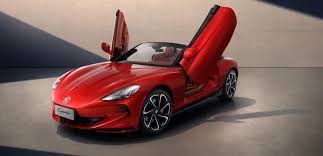
The first thing people notice about a new car is its design. Car manufacturers are now blending aerodynamics with elegance, creating vehicles that are not only beautiful but also efficient. Sharp LED headlights, smooth body lines, panoramic sunroofs, and stylish alloy wheels have become common features in even mid-range models.
In addition, automakers are experimenting with bold color palettes and sleek interiors. Soft-touch materials, ambient lighting, and minimalistic dashboards give a premium feel to vehicles. Many brands also offer customizable interiors, allowing buyers to choose upholstery, trim colors, and infotainment layouts according to their preferences.
2. The Rise of Electric and Hybrid Cars
One of the biggest changes in the car industry is the rapid adoption of electric vehicles (EVs) and hybrid models. As governments around the world push for cleaner energy, automakers have responded with innovative technologies that reduce carbon emissions without compromising performance.
Electric cars are no longer limited to luxury brands. Companies like Tesla, Hyundai, BYD, and Volkswagen have launched affordable EVs with long battery ranges, fast charging times, and impressive acceleration. Hybrid cars, which use both gasoline and electric power, offer a great balance between fuel efficiency and convenience, especially in regions where charging infrastructure is still developing.
3. Smart Technology and Connectivity
Modern cars are now smarter than ever. With the rise of connected car technology, vehicles can now communicate with smartphones, smartwatches, and even home devices. Features like wireless Apple CarPlay, Android Auto, and built-in voice assistants allow drivers to control navigation, music, and calls hands-free.
Advanced driver-assistance systems (ADAS) are becoming standard, offering lane-keeping assistance, adaptive cruise control, emergency braking, and blind-spot monitoring. Some high-end models even include semi-autonomous driving capabilities, making long drives safer and more comfortable.
4. Performance and Efficiency
In the past, car buyers often had to choose between performance and fuel efficiency. But today’s engines and drivetrains deliver both. Turbocharged engines provide powerful acceleration while maintaining low fuel consumption. Lightweight materials, improved aerodynamics, and smart transmission systems further boost efficiency.
Electric cars have changed the performance game entirely. Instant torque allows EVs to accelerate faster than traditional vehicles, with some models going from 0 to 100 km/h in under 4 seconds. At the same time, regenerative braking systems help recharge the battery during driving, improving overall range.
5. Safety Innovations
Safety is one of the top priorities for car buyers, and new cars are equipped with advanced safety features that were once only found in luxury models. These include multiple airbags, stability control systems, automatic emergency braking, pedestrian detection, and 360-degree cameras.
Some vehicles also use AI-powered sensors to detect driver fatigue and send alerts or gently adjust the steering to keep the car in its lane. Euro NCAP and other international safety agencies continue to raise standards, pushing manufacturers to innovate further.
6. Comfort and Convenience
Modern cars are designed to make every journey enjoyable. From heated and ventilated seats to dual-zone climate control and adjustable ambient lighting, the comfort levels have increased dramatically. Noise insulation technology ensures a quieter cabin, even at high speeds.
Larger infotainment screens, wireless charging pads, and USB-C ports for every passenger add to the convenience. SUVs and crossovers often feature power liftgates, folding rear seats, and extra storage space, making them perfect for families and travelers.
7. Sustainability and Environmental Awareness
As the world becomes more conscious of climate change, car buyers are also thinking about the environmental impact of their vehicles. Automakers are focusing on sustainable materials, such as recycled plastics and eco-friendly fabrics, in car interiors. Electric and hybrid vehicles help reduce greenhouse gas emissions, while improvements in fuel efficiency make petrol and diesel engines cleaner than before.
Some brands are also experimenting with hydrogen fuel cells and biofuels, offering alternative ways to power cars sustainably. These innovations reflect a global commitment to greener mobility.
8. Financing and Ownership Options
Buying a new car has also become more flexible. Traditional loans and leases are now accompanied by subscription models, allowing customers to use cars for a fixed monthly fee that includes insurance, maintenance, and road tax. This approach appeals especially to younger generations who prefer flexibility over long-term ownership.
Many automakers offer attractive financing deals, extended warranties, and service packages, making new cars more accessible than ever.
9. The Future of New Cars
Looking ahead, the automotive industry is moving towards fully autonomous vehicles, solid-state batteries, and shared mobility ecosystems. Self-driving technology is expected to revolutionize transportation, making roads safer and commutes more efficient.
Meanwhile, innovations in battery technology promise longer ranges and faster charging times, solving one of the biggest challenges of electric cars today. Connectivity will continue to improve, turning cars into smart, personalized hubs on wheels
10. Maintenance and Longevity of New Cars
While new cars are built to be more durable and efficient than ever before, proper maintenance is still essential to ensure they remain in top condition for years to come. Manufacturers now provide detailed digital service schedules, reminding owners through dashboard alerts or mobile apps when it’s time for oil changes, filter replacements, or tire rotations.
Many modern vehicles also feature predictive maintenance systems, which use sensors to detect wear and tear before problems occur. This reduces unexpected breakdowns and helps owners save money in the long run.
Regular software updates have become as important as mechanical servicing. Just like smartphones, cars now receive over-the-air (OTA) updates that improve performance, fix bugs, and sometimes even add new features. For electric vehicles, these updates can extend battery life, improve charging efficiency, or enhance driver assistance functions — all without visiting a dealership.
Eco-driving habits also contribute to the longevity of a car. Smooth acceleration, maintaining steady speeds, and avoiding harsh braking can reduce engine strain, save fuel, and minimize wear on tires and brakes. This not only keeps the car running efficiently but also increases its resale value.
11. Emerging Trends Shaping the Industry
The automotive industry is evolving rapidly, and several trends are expected to define the next decade of new cars:
- Vehicle-to-Everything (V2X) Communication: Cars will increasingly communicate with traffic lights, road signs, other vehicles, and infrastructure. This will make traffic flow smoother and reduce accidents.
- Personalization Through AI: Future vehicles will learn driver preferences — from seat positions and temperature settings to preferred music playlists and driving styles.
- 3D Printing and Modular Manufacturing: Automakers are adopting 3D printing to create lighter, more durable parts, reducing manufacturing costs and allowing for faster customization.
- Car-as-a-Service Models: Instead of owning a car, many people will simply pay for the usage through flexible subscriptions, making mobility more accessible.
These trends are not just futuristic concepts — many are already being tested in real-world scenarios and will soon become mainstream.
12. The Emotional Connection with New Cars
Beyond technology and performance, buying a new car is often an emotional experience. For some, it marks a major life achievement — the first car purchase after graduation, a reward for years of hard work, or a gift to a loved one.
The smell of a brand-new interior, the shine of an untouched paint job, and the feeling of driving something that belongs only to you create a powerful sense of pride. Cars are often intertwined with personal memories — road trips, family outings, late-night drives, or simply the joy of cruising through the city in something new.
Manufacturers understand this emotional connection and design their marketing around lifestyle aspirations, not just technical specs. They highlight how their cars fit into people’s lives — whether it’s a rugged SUV for adventurers, a sleek sedan for professionals, or an electric hatchback for eco-conscious drivers.
Conclusion: A New Era on the Road
The world of new cars is more exciting than ever. From groundbreaking technology and sustainability efforts to emotional milestones and lifestyle choices, new cars symbolize both progress and personal freedom. As we look to the future, cars will continue to evolve — becoming safer, smarter, and more connected, while still holding that timeless emotional appeal.
Whether you’re upgrading your old vehicle, buying your first car, or simply exploring the latest automotive trends, 2025 and beyond offer an incredible range of options to suit every taste, budget, and dream.
Conclusion
New cars in 2025 are more than just a mode of transportation — they are a blend of innovation, design, technology, and sustainability. Whether you’re looking for a compact city car, a powerful SUV, or a cutting-edge EV, today’s automotive market has something for everyone. As technology advances further, cars will continue to evolve, making driving safer, cleaner, and more exciting than ever before.

Hi, this is a comment.
To get started with moderating, editing, and deleting comments, please visit the Comments screen in the dashboard.
Commenter avatars come from Gravatar.